
Global South Narratives: Beyond India and BrazilâPatronage Economies in Africa and Southeast Asia.
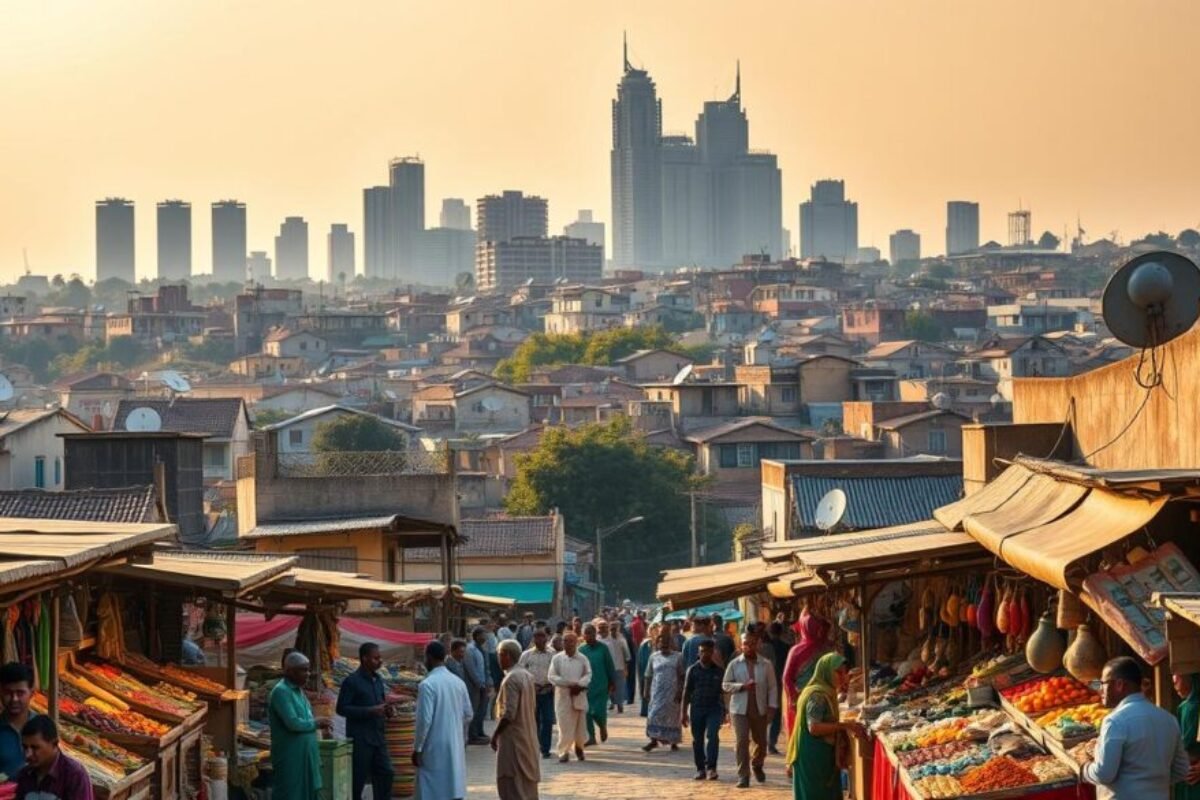
By 2030, the World Bank predicts that over half of the world’s poor will reside in Sub-Saharan Africa. At the same time, Southeast Asia will emerge as a center of middle-class growth. This dichotomy significantly influences money, media, and power dynamics. It also impacts how patronage operates and how we interpret narratives from the Global South.
This article shifts focus from India and Brazil to Africa and Southeast Asia. Here, brokers, party machines, faith networks, and kinship ties intertwine states and citizens. Drawing from South Africa & India: Shaping the Global South (Wits University Press, 2011), edited by Isabel Hofmeyr and Michelle Williams, we explore connections between print cultures, labor migrancy, and non-violent resistance. These elements are linked to today’s urban politics and media funding.
Matthew Bishop’s critique in SPERI Paper No. 30 serves as a guide. He argues that “The Rise of the BRICS” oversimplifies, given China’s rapid growth and the varied trajectories of Brazil, Russia, India, and South Africa. We also draw on African perspectives on structural adjustment from Thandika Mkandawire and Charles Soludo’s Our Continent, Our Future (CODESRIA/IDRC, 1998). This highlights the importance of equity, sustainability, and governance in Global South narratives.
Our goal is to redefine Global South Narratives through the lens of patronage economies. These economies organize jobs, votes, and stories in the southern hemisphere. This approach enriches non-Western storytelling, deepens decolonial perspectives, and clarifies the influence of funding sources on what we hear and what we miss.
We examine maritime labor routes, printing presses, and city ward politics. Our inquiry is simple yet critical: who funds the story, and who gets to speak? The answer influences policy debates and media agendas. It also refines our understanding of Global South narratives, moving beyond a BRICS-centric view.
Key Takeaways
- Patronage economies in Africa and Southeast Asia shape jobs, votes, and media, altering how we read narratives from the Global South.
- Moving beyond India and Brazil widens southern hemisphere stories and supports richer decolonial perspectives.
- BRICS is a weak analytic tool; uneven growth patterns demand finer-grained, country-level lenses.
- Historic links—from Gandhi’s printing press to labor migrancy—inform today’s non-Western storytelling.
- African critiques of structural adjustment center equity, sustainability, and governance as core to narrative power.
- Funding sources—state, private, and diaspora—decide whose voice travels and whose remains local.
Case Study Scope and Why Patronage Economies Matter for Non-Western Storytelling
This section explores how funding, favors, and brokers influence who gets to publish, film, or broadcast in Africa and Southeast Asia. It centers on Global South Narratives, revealing how gatekeepers impact reach, tone, and risk. The goal is to amplify underrepresented voices while maintaining evidence and context.
Defining patronage economies across Africa and Southeast Asia
Patronage economies are systems where access to jobs, permits, credit, or airtime is controlled by political brokers, party machines, religious associations, and kinship ties. Austerity legacies and uneven growth make these channels vital but selective. This terrain shapes non-western storytelling and the space for voices from the Global South.
Scholars like Thandika Mkandawire and Charles Soludo highlight how structural adjustment intensified fragmented inequalities. In practice, a fixer can unlock a license, a pastor can mobilize audiences, and a ward leader can deliver studio space. These routes decide which Global South Narratives enter newsrooms, festivals, and classrooms.
Why moving beyond BRICS frames deepens decolonial perspectives
Moving past the BRICS shorthand opens room for decolonial perspectives that track uneven development within and across regions. Ryan Bishop’s critique shows why a single bloc lens can blur key differences. IMF figures underscore China’s surge in global GDP share during the 2010s, while Brazil, Russia, and South Africa lost ground.
For storytellers, this matters. Funding pools, audience markets, and policy climates do not rise in sync. A nuanced frame helps identify where underrepresented voices meet opportunity, and where they face tighter control. It keeps non-western storytelling focused on place, method, and power, not just acronyms.
User intent and engagement: what readers seek in narratives from the Global South
U.S.-based readers want clarity, proof, and texture. They look for case studies that link political economy to creative work and distribution. They also want concise comparisons that show how brokers shape media in Lagos, Nairobi, Jakarta, and Manila without flattening difference.
Historical context matters, too. Isabel Hofmeyr’s work on Indian Ocean print cultures and Jonathan Hyslop’s studies of migrant labor help explain today’s media ecologies and funding logics. Readers expect credible names, careful claims, and Global South Narratives that foreground decolonial perspectives while keeping the prose lean and accessible to underrepresented voices.
From BRICS to the Rest: Rethinking the Political Economy Beyond India and Brazil
Once, the BRICS were seen as a unified force. But, newsroom shortcuts have obscured the rich tapestry of Global South Narratives. To truly understand these stories, we must focus on change, not just size. Decolonial perspectives offer a way to center process, place, and power.
Limits of “The Rise of the BRICS” as an analytical device
The term “The Rise of the BRICS” tells us little about transformation. Bishop pointed out that description overshadows mechanism. It overlooks activist states, fragmented inequalities, and the complex paths that shape southern hemisphere stories. This oversight skews which voices are amplified.
When we rely on labels, we miss important details. Decolonial perspectives reveal who funds the microphone and how claims are disseminated. This approach helps narratives from the Global South transcend buzzwords.
China’s outsized rise vs. uneven trajectories of Brazil, Russia, India, South Africa
IMF data reveal a stark divergence. Between 2011 and 2015, the BRIC share of global GDP increased slightly, but China’s growth was exponential. By 2015, China’s nominal output exceeded $11.21 trillion, surpassing the combined output of the others. Brazil and Russia saw their shares decline, South Africa slipped, and India grew but remained significantly smaller than China.
This disparity is critical for both reporting and policy-making. A single narrative conceals the volatility in commodity exporters and the steady growth of India’s services and manufacturing. Such unevenness challenges simplistic Global South Narratives, urging a closer examination of sectoral and fiscal choices.
Implications for Southern hemisphere stories and policy debates
Shifting focus beyond acronyms allows for a deeper exploration of Africa and Southeast Asia. By tracking political brokerage and donor logics, we can better understand southern hemisphere stories. This approach aligns with decolonial perspectives that prioritize institutions over hype.
As Global South Narratives influence U.S. policy forums, precision is key. We must consider who benefits from infrastructure deals and which media houses set the agenda. Such attention makes Global South Narratives more nuanced, accountable, and authentic.
| Economy | Nominal GDP Share 2011 | Nominal GDP Share 2015 | Trajectory Snapshot |
|---|---|---|---|
| China | — | $11.21T; BRICS share rises to 22.70% | Leap in scale, eclipsing peers combined |
| Brazil | 3.61% | 2.55% | Decline amid commodity and fiscal strain |
| Russia | 2.64% | 1.58% | Contraction with price shocks and sanctions |
| India | 2.55% | 3.10% | Steady rise, far below China’s magnitude |
| South Africa | — | 0.43% | Slip in share, growth headwinds |
Historical Connectivities: Indian Ocean Worlds, Migration, and Shared Anti-Colonial Struggles
The Indian Ocean connected East Africa, the Persian Gulf, and South and Southeast Asia. It formed a vast network of ports from Durban to Zanzibar and Bombay. This network moved people, print, and ideas, shaping Global South Narratives and postcolonial literature. It also brought to light underrepresented voices often overlooked by mainstream accounts.
Movement across water also moved meaning. Sailors, printers, and migrants created a web of connections. These connections fueled political debates at home and abroad. Their stories enrich narratives from the Global South with authentic detail and hard-won memory.
Maritime labor circuits: Asian, African, and British sailors (c. 1880–1945)
Steamship routes connected Calcutta, Mombasa, Cape Town, Aden, and London. Lascars, firemen, stewards, and officers worked together, despite unequal ranks. They shared decks, strikes, and lodgings, fostering cosmopolitan habits. Jonathan Hyslop’s research on the “Steamship Empire” highlights this.
Work discipline, wage disputes, and shipboard hierarchies transcended imperial lines. Port meetings and union talks spread tactics and songs. These efforts gave underrepresented voices a public platform, bypassing colonial censors.
Indenture, diaspora feedbacks, and postcolonial literature threads
Indenture sent workers from India to Natal, the Caribbean, and the Pacific after slavery. Reports of abuse returned through letters, newspapers, and public meetings. Tejaswini Niranjana’s studies on Trinidad and John Kelly’s work on Fiji show how diaspora pain and pride influenced debates in India.
Gendered harms, like those faced by women workers, became rallying points. These experiences shaped nationalist language and seeded recurring themes in Global South Narratives and postcolonial literature.
Goan migration, Portuguese decolonization, and cosmopolitan print cultures
Goan communities moved through Portuguese and British imperial spaces, from Bombay to East Africa. Pamila Gupta’s analysis reveals how this mobility created hybrid identities. Isabel Hofmeyr’s work on Gandhi’s Printing Press shows how pamphlets, newspapers, and sermons crossed seas to unite anti-colonial publics.
Print hubs in Durban and Bombay circulated essays, petitions, and devotional texts. This flow expanded reading publics. It anchored Global South Narratives and raised underrepresented voices, continuing to resonate in classrooms, book fairs, and community archives.
South Africa–India Links as a Lens for Wider Global South Patterns
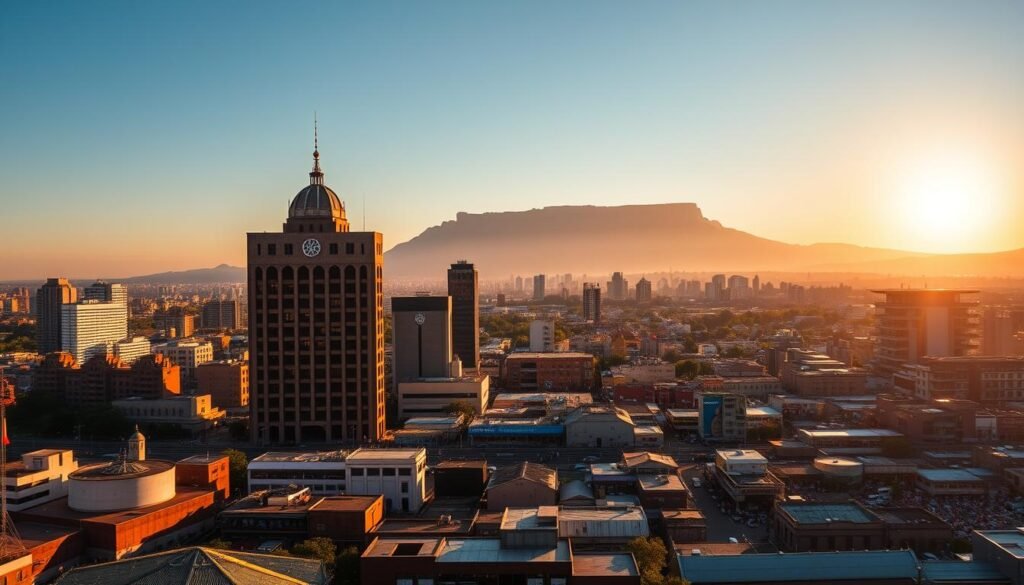
South Africa and India exemplify the impact of trade, diplomacy, and civic engagement on Global South Narratives. Their relationship offers a framework for decolonial perspectives, influencing stories from the southern hemisphere. These interactions also amplify the voices of the Global South in policy and cultural spheres.
Trade, IBSA diplomacy, and knowledge exchange infrastructures
Post-1994, trade between the two nations surged. Scholars like Isabel Hofmeyr and John Williams note a significant increase, reaching over US$4 billion by 2008-2009. The growth rate was nearly 22 percent annually from 2001 onwards. Both governments aimed to reach a US$10 billion target by 2010, reflecting their ambitious goals within IBSA frameworks.
Corporate presence expanded significantly. More than 50 large companies from each nation operated across borders, with many more exploring investment opportunities. This led to the establishment of the Centre for Indian Studies in Africa at Wits University in 2008. Such initiatives ensure that Global South Narratives remain relevant, connecting southern hemisphere stories to academic and research environments.
IBSA diplomacy provided practical platforms for cooperation. New partnerships emerged in sectors like energy, pharmaceuticals, and services. Scholars exchanged data and methodologies, fostering decolonial perspectives. This exchange emphasizes comparative expertise and amplifies the voices of the Global South.
Gandhi, Mandela, and the politics of non-violent resistance across regions
Mahatma Gandhi’s time in South Africa shaped the philosophy of satyagraha. Nelson Mandela’s leadership in the fight against apartheid anchored mass action. Historians like Goolam Vahed and Crain Soudien have explored how these ideas crossed the Indian Ocean, influencing strategies for non-violent resistance and moral leadership.
These legacies continue to inspire virtue politics among various groups today. They contribute to Global South Narratives that challenge dominant narratives, empowering southern hemisphere stories. In educational and community settings, they promote decolonial perspectives and amplify the voices of the Global South.
Local democracy comparisons and lessons for civic patronage
Patrick Heller’s work on democratic deepening highlights the impact of citizen participation in governance. Claire Bénit-Gbaffou and Stéphanie Tawa Lama-Rewal compare Indian and South African cities, showing how mechanisms like ward committees and social audits can empower citizens. These comparisons shed light on the complex dynamics between inclusion and capture in local governance.
These insights enrich Global South Narratives with practical examples. They demonstrate how decolonial perspectives can address power dynamics and empower the Global South to create accountable systems for everyday concerns.
Patronage, Clientelism, and Brokerage: Concepts for Analyzing Power in Africa and Southeast Asia
Power often flows through personal connections, not just policy documents. In Africa and Southeast Asia, brokers play a key role. They help citizens navigate the complex systems of permits, welfare, and job opportunities. These narratives are central to non-western storytelling, revealing how rules interact with real-life experiences under decolonial perspectives.
Economists and sociologists describe complex systems where various groups, including parties, churches, mosques, temples, and kin groups, distribute benefits. These networks become essential when formal systems fail, yet they also determine who receives help first. This dynamic shapes how people interact with the state on a daily basis.
From structural adjustment legacies to contemporary brokerage
Research by Thandika Mkandawire and Charles Soludo highlights how austerity measures have led to a reduction in agencies but an increase in the role of intermediaries. As budgets decreased, citizens turned to ward bosses, union stewards, and faith leaders to access services. Their work contributes to Global South Narratives that challenge universal solutions and advocate for reforms grounded in reality.
Contrasting the World Bank’s 1994 stance, scholars advocated for mixed economies and effective bureaucracies. Brokers thrived in areas with weak institutions but strong social connections. From a decolonial viewpoint, brokerage emerges as a practical solution to scarcity, not a cultural weakness.
How activist states and fragmented inequalities shape patronage
Matthew Bishop suggests that development requires active, penetrating states. In societies divided by class, region, and ethnicity, citizens rely on patrons to bridge these gaps. This reliance means that even targeted programs often pass through local intermediaries, influencing who benefits first.
These pathways can amplify marginalized voices if designed with accountability, or silence them if captured by special interests. Non-western storytelling tracks these outcomes to identify where reforms can take hold.
Everyday governance: party machines, religious networks, kinship ties
Urban studies by Claire Bénit-Gbaffou and Stéphanie Tawa Lama-Rewal reveal how ward committees, neighborhood associations, and brokers manage access to essential services like water, housing, and market stalls. Party machines organize volunteers and voter lists, while religious networks mobilize care funds. Kinship ties provide referrals that help move files forward.
These practices are at the core of Global South Narratives, focusing on the daily struggles for rights. They also encourage decolonial perspectives that examine how rules are applied in practice, ensuring that marginalized voices are heard in policy discussions.
| Brokerage Arena | Typical Actors | Common Resources | Accountability Risks | Illustrative Scholarship |
|---|---|---|---|---|
| Municipal Services | Ward councilors, party organizers | Water connections, housing lists, permits | Favoritism, opaque queues | Claire Bénit-Gbaffou on urban intermediaries |
| Faith-Based Support | Imams, pastors, temple committees | Cash transfers, food, schooling fees | Selective access, moral gatekeeping | Studies of welfare brokerage in African and Asian cities |
| Kinship and Diaspora | Family elders, migrant leaders | Job referrals, remittance-backed loans | Debt burdens, exclusion of outsiders | Research on remittances and informal finance |
| Market and Union Mediation | Trade union reps, market masters | Stall allocations, dispute resolution | Rent-seeking, cartel behavior | Labor movement analyses in the Global South |
Across these domains, non-western storytelling sheds light on who brokers for whom and why. When approached with care, these narratives enrich decolonial perspectives and pave the way for underrepresented voices to redefine fair access.
Structural Adjustment and the State: African Perspectives on Reform and Its Afterlives

African scholars have extensively studied how reform agendas have transformed states, markets, and daily life. Their research provides a solid foundation for decolonial perspectives, aligning with the realities of policy and highlighting voices often overlooked in public discourse.
What SAPs missed: equity, sustainability, and governance
The “Our Continent, Our Future” initiative brings together African-led research on stabilization and liberalization. It reveals that macro targets often neglected equity and environmental sustainability. Governance, accountability, and local capacity were overlooked, despite the clear needs for robust institutions highlighted by the Global South.
Decolonial perspectives emphasize that achieving budget balance without inclusive growth is precarious. By engaging with underrepresented voices, researchers have shown how cuts in health, education, and extension services have weakened resilience. These actions have also muted the Global South’s long-term development narratives.
Path dependence and initial conditions as policy determinants
Outcomes varied due to different starting points: human capital, resource endowments, production structures, trade openness, infrastructure, and colonial legacies. Ignoring these initial conditions led to uneven and sometimes counterproductive effects of reforms.
Studies from ministries, universities, and civil society networks highlight the failure of one-size-fits-all policies. The Global South’s narratives emphasize how path dependence influences incentives. Decolonial perspectives underscore the importance of context-specific sequencing for state capability and citizen welfare.
Re-centering African agency in development choices
Researchers advocate for mixed economies, active public investment, and transparent policy processes. They emphasize the need for local technical expertise in decision-making. The aim is to design policies that reduce vulnerability to external shocks and reflect broader learning beyond the Washington Consensus, as noted by Joseph Stiglitz.
By placing African policy makers, entrepreneurs, and unions at the forefront, we advance Global South Narratives. This approach ensures that underrepresented voices guide development priorities. It transforms narratives from the Global South into actionable roadmaps, sustaining decolonial perspectives in both analysis and action.
Urban Patronage Ecologies: Cities, Migrancy, and Informal Economies
In cities like Johannesburg, Durban, Mumbai, and Bengaluru, mobility redefines power dynamics. Migrants create networks for finding employment, resolving disputes, and obtaining permits. These networks form living maps that anchor Global South Narratives in everyday life, amplifying underrepresented voices.
Researchers have uncovered the intersection of party machines, market committees, and ward offices with faith groups and unions. These connections feed southern hemisphere stories, focusing on practical needs like water, shelter, and documents. This approach centers voices from the Global South, moving away from distant models.
Labor migrancy (1900–1960) and contemporary urban brokers
Phil Bonner’s work highlighted how early migrancy between mines, mills, and docks shaped settlement patterns in South Africa and India. Men and women followed kin to new jobs, then relied on trusted fixers. Today, street leaders, market chairpersons, and transport heads play similar roles across the Global South.
They match workers to shifts, mediate with police, and guide stall allocations. Such brokering threads tie past movement to present hustle, giving texture to Global South Narratives and lifting underrepresented voices in crowded districts.
Access to services via political intermediaries
In many wards, paperwork and fees can stall basic services. Intermediaries translate rules, collect forms, and push requests through municipal desks. Residents often secure water points, rental rooms, or hawker passes by leaning on these gatekeepers.
This is a pragmatic bargain. It reflects structural adjustment legacies and uneven state capacity. Yet it also keeps southern hemisphere stories grounded in how people navigate scarcity, ensuring that voices from the Global South remain centered in the urban record.
Comparative insights from Indian and South African city governance
Claire Bénit-Gbaffou and Stéphanie Tawa Lama-Rewal map how civic forums and ward committees can widen participation or slide into capture. Their comparative work highlights why design details—notice periods, quorum rules, and grievance channels—matter for fair access.
Across Mumbai and Johannesburg, local associations link residents to city hall while brokers arbitrate claims. This tension fuels Global South Narratives that weigh procedural fairness against speed, and it keeps space for underrepresented voices in planning debates.
| Dimension | Indian Cities (e.g., Mumbai, Bengaluru) | South African Cities (e.g., Johannesburg, Durban) | Patronage Implication |
|---|---|---|---|
| Migrancy Legacy | Industrial and service corridors draw inter-state migrants; strong kin and caste clusters | Mining and service hubs attract regional migrants; township-hostel pathways persist | Brokers leverage lineage and place-of-origin ties to organize labor and votes |
| Intermediary Actors | Ward office aides, market committees, mohalla leaders | Street committees, hostel leaders, branch party organizers | Gatekeeping over permits, stalls, and dispute resolution |
| Civic Participation | Area sabhas and RWAs can mobilize but skew toward formal neighborhoods | Ward committees broaden input yet face turnout and capture risks | Forums may channel underrepresented voices or entrench selective access |
| Service Access | Documentation drives for ration, Aadhaar, and vendor IDs | Regularization of informal connections and backyard rentals | Political mediation converts paperwork into timely delivery |
| Narrative Stakes | Everyday governance frames Global South Narratives around work and shelter | Community organizing shapes southern hemisphere stories of dignity and repair | Centers voices from the Global South in policy and media agendas |
These patterns reveal urban patronage ecologies that blend rules and relationships. They keep the pulse of the city legible, while allowing underrepresented voices to name their needs and shape the stories that travel.
Media, Print, and Narrative Power: Who Funds Whose Story?

Money dictates which stories get told and which are forgotten. In the Global South, funding decisions determine what gets published, aired, or goes viral. This power affects marginalized voices and shapes how we encounter postcolonial literature.
Gandhi’s printing press and Indian Ocean cosmopolitanisms
Gandhi’s Printing Press: Indian Ocean Print Cultures and Cosmopolitanisms by Isabel Hofmeyr reveals how cheap presses and shipping routes spread ideas. Durban, Mombasa, and Bombay became hubs for debate on empire and labor. These networks continue to influence Global South Narratives and the teaching of postcolonial literature.
Merchants and editors backed pamphlets, influencing reach. This shows that infrastructure and patronage shape whose messages get heard. Today, this principle applies to digital platforms as well.
Donor logics, elite sponsorship, and marginalized narratives
Donor logics have always favored certain issues, aligning with strategy and brand safety. Elite sponsorship can open doors but also narrow perspectives. After 2001, South African media increased coverage of India as trade grew.
Editors balance grants, ads, and risk. This affects what Global South Narratives and postcolonial literature reach us. Underrepresented voices are often valued for innovation or market growth.
Digital patronage: platforms, influencers, and underrepresented voices
Algorithms on platforms act as new patrons, favoring content that keeps users engaged. Influencers, backed by venture capital, now decide which voices trend. This echoes print-era gatekeeping but at a faster pace.
Yet, digital tools have lowered barriers for Global South Narratives. Microgrants and community-supported journalism can elevate postcolonial literature and marginalized voices. The field is uneven, but opportunities exist where audiences fund what they want to read.
| Patronage Arena | Primary Gatekeeper | Mechanism of Reach | Risk to Underrepresented Voices | Openings for Global South Narratives |
|---|---|---|---|---|
| Indian Ocean Print (1900s) | Printers, merchants, colonial censors | Shipping lanes, pamphlet runs, diaspora sales | Suppression and uneven funding cut circulation | Cross-port networks spread postcolonial literature debates |
| Legacy Newsrooms | Editors, advertisers, donors | Beats, syndication, wire services | Agenda setting crowds out marginalized narratives | Trade and diaspora beats expand regional coverage |
| Platforms and Influencers | Algorithms, creator agencies, brands | Feeds, trending tabs, short video | Visibility hierarchies mute underrepresented voices | Subscriptions and microgrants back niche reporting |
| Independent Publishing | Small presses, readers, festivals | Crowdfunding, newsletters, fairs | Resource limits constrain scale | Curated lists elevate postcolonial literature |
Global South Narratives
Global South Narratives emerge at the intersection of money, memory, and media. Patronage influences who gets to tell a story and who is heard. From Indian Ocean print routes to postcolonial city halls, the scope of non-western storytelling expands. This is determined by brokers, donors, and states.
Scholars like Isabel Hofmeyr, Jonathan Hyslop, Akhil Gupta, and Philip Bonner shed light on how dockworkers, migrants, and small presses created connective worlds. Their work reveals how stories from the Global South travel through various channels. These paths guide newsroom beats, grant calls, and film pitches.
In today’s municipalities, Partha Chatterjee’s political society coexists with research by Patrick Heller, Claire Bénit-Gbaffou, and Stéphanie Tawa Lama-Rewal on participation and brokerage. Party offices, WhatsApp groups, and ward committees filter voices from the Global South. The result is a mosaic of access, shaped by fees, favors, and fragile trust.
Daniel Bishop critiques the sweeping BRICS talk, warning against easy labels. Thandika Mkandawire and Charles Soludo advocate for agency and path dependence, urging for a nuanced approach. This stance strengthens non-western storytelling by valuing local archives, budget sheets, and oral histories over broad categorizations.
Funding choices matter. Philanthropic foundations, advertising markets, and platform algorithms steer attention. When newsroom payrolls depend on donors, beats tilt. When creators rely on patrons, scripts shift. These pressures influence Global South Narratives without erasing community-led reporting, podcasting, and indie film.
Editors and curators balance rigor with reach. They verify sources yet elevate voices from the Global South that rarely enter mainstream syndication. The goal is clear: widen the field so narratives from the Global South reflect everyday governance, not only summit headlines.
Below, a quick synthesis links political economy, history, and institutions to narrative pathways that shape non-western storytelling in practice.
| Driver | Key Channels | Illustrative Contributors | Narrative Effect |
|---|---|---|---|
| Political Economy | Party finance, donor funds, ad markets | Partha Chatterjee; Patrick Heller | Sets incentives and topics for non-western storytelling |
| Historical Connectivity | Indian Ocean routes, labor migration, print | Isabel Hofmeyr; Jonathan Hyslop; Philip Bonner | Links archives and memory to narratives from the Global South |
| Institutional Legacies | Municipal forums, ward committees, courts | Claire Bénit-Gbaffou; Stéphanie Tawa Lama-Rewal | Filters participation and elevates or mutes voices from the Global South |
| Critique and Framing | Post-BRICS analysis, agency-focused research | Daniel Bishop; Thandika Mkandawire; Charles Soludo | Resists overgeneralization; centers Global South Narratives with context |
| Digital Mediation | Platforms, influencers, indie podcasts | Community journalists; local filmmakers | Opens new routes for non-western storytelling beyond legacy gatekeepers |
These strands converge in reporting desks, neighborhood councils, and film collectives. When they align, Global South Narratives gain depth and range. When they clash, gaps widen between lived experience and the record.
Decolonial Perspectives on Patronage: Ethics, Virtue Politics, and “Cricket Ethics”

How do we gauge fair play when power is tied to favors and deals? This section explores how everyday ethics shape public life in Africa and South Asia. It highlights the importance of accountability from below and amplifies voices from the Global South in policy and culture.
Eric Worby views “cricket ethics” as a civic lesson. The sport’s field becomes a place where rules, respect, and reputation are tested. This perspective sheds light on why small actions, like queueing or whistleblowing, are seen as moral in systems dominated by patronage.
Virtue, patronage, and public morality in Southern contexts
Goolam Vahed and Crain Soudien explore how Gandhi and Mandela used virtue politics to redefine civic norms. They focused on restraint, service, and dialogue as a counter to clientelist exchange. Their actions resonate with postcolonial literature, where small acts of fairness hold significant political weight.
These choices do not eliminate patronage but redirect it. Leaders link favors to public rules, not personal gain. This approach builds habits that align with decolonial perspectives and uphold Global South Narratives centered on dignity and collective duty.
Movement strategies vs. elite brokerage
Mass meetings, open accounts, and rotating leadership weaken gatekeeping. These tactics empower supporters and diminish the influence of fixers. They ensure that voices from the Global South remain central, not marginalized by donors or party offices.
When networks share budgets and timelines, rumors lose power. Transparency transforms patronage from a secret trade into a public commitment, easier to monitor and less likely to be hoarded.
Cultural metaphors that reframe political economy
Metaphors from local life—like cricket, communal kitchens, and taxi ranks—offer straightforward guidelines. Concepts like a fair innings, a shared pot, or a posted fare promote equity without using complex language. These images travel between India and South Africa, enriching civic debates with decolonial perspectives.
As these metaphors spread, they enrich postcolonial literature and media that document grassroots reforms. This leads to a more detailed understanding of Global South Narratives, benefiting scholars, organizers, and readers alike.
Commodity Booms, Austerity Cycles, and Patronage Resilience
Commodity windfalls inflate budgets, only to have them cut back by austerity. Political brokers quickly adapt to these changes. This dynamic is key in understanding southern hemisphere stories within Global South Narratives. It shows how funding streams shift, yet ties endure, influencing narratives from the Global South and marginalized narratives.
How fiscal shocks reshape clientelist networks
When revenues plummet, party machines must reorganize. Russia’s 2015 economic downturn, with a 4% GDP decline and near 7% deficit, illustrates this. In Africa and Southeast Asia, cuts force brokers to rely on churches, unions, and business groups to maintain patronage. These dynamics are central to southern hemisphere stories within Global South Narratives.
As budgets shrink, brokers focus on high-yield constituencies. Urban areas with dense voter rolls receive priority. Rural areas turn to remittances and mutual aid. These shifts shape narratives from the Global South, ensuring marginalized narratives remain accessible.
Resource rents vs. diversified livelihoods
Oil and gas rents concentrate power and increase risk. When prices drop, networks break, and elites ration contracts. Diversified economies, with manufacturing, tourism, or agribusiness, spread risk and give brokers more options. This contrast is key to southern hemisphere stories that enrich Global South Narratives with fiscal pathways.
Mixed revenue bases allow leaders to pair smaller subsidies with targeted credit, easing the shock. This flexibility sustains civic ties and media spaces where Global South Narratives can emerge. It also keeps room for marginalized narratives across regions.
Social protection, party finance, and vote mobilization
Under austerity, safety nets transform into political tools. Cash transfers, food vouchers, and fee waivers signal to voters. Scholars like Thandika Mkandawire and Charles Soludo highlight how structural adjustment reworked budgets and state capacity. Parties turned to private donors to fill gaps, influencing elections.
As party finance evolves, donor-backed projects and local philanthropy gain prominence. Brokers manage lists; civil society monitors delivery; and voters assess credibility against need. In this dynamic, Global South Narratives and narratives from the Global South highlight the link between fiscal design and survival.
Religion, Caste, Ethnicity: Social Infrastructures of Patronage
In India and South Africa, plural societies dictate who receives aid, airtime, and access. Religious bodies, caste groups, and ethnic forums often act as state proxies. They decide which underrepresented voices make it into policy and media. These pathways also steer narratives from the Global South toward funders, parties, and newsrooms, influencing how Global South Narratives are framed within non-western storytelling.
Religious associations as welfare and political brokers
Congregations and faith-based NGOs provide essential services like food, schooling, and healthcare. They then channel demands to city councils and MPs. In South Africa, church networks and civic bodies like the South African National Civics Organization coordinate service delivery protests and ward-level claims. In India, mosque committees, temple trusts, and Christian charities mediate relief and shape ward funds, affecting underrepresented voices in local queues and councils.
These associations curate narratives from the Global South through newsletters, pulpit messages, and radio. By selecting needs and champions, they translate community priorities into Global South Narratives. These narratives reach donors and reporters, advancing non-western storytelling grounded in daily welfare work.
Caste and communal identities in access to opportunity
Caste councils and community halls often gate scholarships, job referrals, and housing lists. Reservation policies interact with party machines and alumni networks, making identity a practical lever for college seats or contractor licenses. In city wards, communal federations sort disputes and help families navigate documents, filtering whose case files move first.
When grant writers, publishers, and editors seek narratives from the Global South, these filters matter. Stories that pass through influential intermediaries gain shelf space, while others wait outside. The result is a map of Global South Narratives that mirrors neighborhood patronage routes.
Intersections with gender and youth mobilization
Women’s leagues in unions, self-help groups linked to banks, and student unions create parallel channels. They secure microcredit, safety patrols, and campus platforms that bypass older gatekeepers. Youth groups allied with sports clubs, cultural societies, or startup hubs provide skills and rapid mobilization, shifting attention to new priorities like gig work and transit safety.
These gendered and youth pathways feed non-western storytelling that spotlights daycare, menstrual health, freelancing, and climate risks. When these voices enter city hearings or news desks, they diversify narratives from the Global South and widen the pool of underrepresented voices that guide Global South Narratives.
| Broker Type | Typical Services | Political Interface | Impact on Story Visibility | Illustrative Contexts |
|---|---|---|---|---|
| Religious Associations | Food aid, clinics, school fees | Ward councilors, party constituency offices | Amplify welfare-focused narratives from the Global South | Church networks in Johannesburg; temple trusts in Chennai |
| Caste/Communal Bodies | Scholarships, job referrals, dispute resolution | Local bureaucrats, procurement boards | Prioritize Global South Narratives tied to identity claims | Community halls in Mumbai; neighborhood forums in Durban |
| Women’s Groups | Microcredit, legal aid, safety programs | Municipal gender desks, social development departments | Elevate underrepresented voices in non-western storytelling | Self-help groups linked to public banks; union women’s leagues |
| Youth Networks | Skills training, event organizing, digital outreach | Student unions, city youth councils | Surface tech, work, and climate-focused Global South Narratives | Campus associations in Delhi; township sports clubs in Cape Town |
Local Democracy and Participation: Deepening or Capturing?
Local councils aim to give voice and share power, but rules often dictate who leads. Reformers in the Global South test forums for budget planning, service rating, and tracking. These efforts shape Global South Narratives on everyday democracy.
Patrick Heller and Claire Bénit-Gbaffou with Stéphanie Tawa Lama-Rewal have studied reforms in India and South Africa. Their work highlights how design choices impact marginalized narratives and inform decolonial perspectives on participation’s limits.
Comparative local democracy reforms and civic forums
Ward committees and neighborhood forums expand access to planning and oversight. In Durban and Bengaluru, open meetings allowed residents to map needs and co-prioritize fixes. These venues amplify voices from the Global South and strengthen Global South Narratives that focus on users, not just elites.
Yet, participation’s reach depends on who gets a seat and agenda setting. Without rotating chairs, quotas, and clear timelines, poorer groups lose ground. This erodes marginalized narratives and narrows decolonial perspectives on decision-making.
Co-production vs. capture: when participation feeds patronage
Co-production links citizen knowledge with municipal capacity. Joint audits, service scorecards, and participatory maintenance can fix small failures fast. These tools elevate voices from the Global South into routine problem-solving.
Capture occurs when a single broker controls access to meetings or benefits. Then, forums mirror party machines, favoring patronage over rules. This flattens Global South Narratives and sidelines marginalized narratives, even with high attendance.
Transparency, open data, and counter-brokerage strategies
Public minutes, budget dashboards, and ward-level datasets help residents track the money. Simple formats, open-source portals, and multilingual notices sustain decolonial perspectives by making state actions clear.
Counter-brokerage pairs data with plural representation and enforceable conflict-of-interest codes. Rotations, independent facilitation, and grievance channels protect marginalized narratives while keeping voices from the Global South central to monitoring and repair.
Transnational Networks: Diasporas, Remittances, and New Patronage Chains
Indian Ocean scholarship by Tejaswini Niranjana and John D. Kelly reveals how overseas communities influence homeland debates. They do this through moral guidance and material support. This understanding explains the power of Global South narratives and the reach of southern hemisphere stories across borders.
These flows shape Global South Narratives in various sectors. They influence newsrooms, universities, and civic groups. Yet, they also highlight the challenges of amplifying underrepresented voices. This is due to the role of donors, editors, and gatekeepers in filtering content.
Remittance flows as informal safety nets and leverage
Remittances from places like Dubai, Doha, London, and New York act as safety nets for families in Lagos, Kochi, or Cebu. These funds bypass slow state channels, but they can also pass through local brokers who demand loyalty in return.
Households use these transfers for school fees, health care, and small shops. This spending shifts media attention and policy talk toward everyday risk. It refines narratives from the Global South around work, care, and dignity.
Professional diasporas and knowledge patronage
Professional networks, such as collaborations with the Centre for Indian Studies in Africa (CISA) at the University of the Witwatersrand, anchor knowledge patronage. Joint projects with institutions like the University of Nairobi, the National University of Singapore, or Jawaharlal Nehru University set agendas and circulate methods.
These exchanges influence Global South Narratives by deciding which archives matter and which questions get funded. When designed well, they amplify underrepresented voices and ground southern hemisphere stories in lived experience.
Media, philanthropy, and narrative agenda-setting
As India–South Africa trade expanded, outlets like the Mail & Guardian and Business Day increased coverage of Indian markets, culture, and technology. Philanthropic grants and brand partnerships guide beats and shape which Global South Narratives receive prime placement.
Agenda-setting choices decide who speaks and who is quoted. When diaspora funders, editors, and producers center field reporting, underrepresented voices gain more room. Southern hemisphere stories then reflect complex realities, moving beyond stock frames.
- Leverage: Donor priorities can elevate public health or labor rights angles in narratives from the Global South.
- Access: Cross-border fellowships open doors for reporters and scholars to follow remittance chains.
- Balance: Editorial independence remains vital to keep southern hemisphere stories broad and accountable.
Methodologies for Case Studies on Patronage Economies
Effective case studies employ mixed methods that respect non-western storytelling while ensuring testability and transparency. This method supports Global South Narratives, which track power across time, space, and scale. It keeps underrepresented voices central through decolonial perspectives.
Scholars can combine archival research on print cultures, wartime mobilization, and decolonization with fieldwork today. Studies influenced by Isabel Hofmeyr, Antoinette Burton, and Dipesh Chakrabarty reveal how past records and texts shed light on patronage scripts. These scripts continue to influence politics and media today.
Combining archival histories with contemporary ethnography
Archives should be merged with site visits, interviews, and participant observation. This approach connects past pamphlets, newspapers, and court files to today’s ward offices, civic forums, and religious associations. It grounds non-western storytelling in evidence and advances decolonial perspectives without losing the essence of lived experiences.
Use time-bound sampling to trace an event from its historical trigger to current street-level response. This method helps Global South Narratives capture continuity and change. It protects underrepresented voices through careful anonymization.
Network mapping of brokers and benefit flows
Map relationships among party financiers, neighborhood brokers, faith leaders, and municipal desks. Record who mediates permits, jobs, and welfare. Visualize benefit flows alongside media sponsorships and philanthropy to see how narrative funding intersects with political exchange.
- Identify nodes: local councilors, ward committees, trade unions, and women’s savings groups.
- Tag ties by resource type: cash, credit, documentation, airtime, or publicity.
- Track shifts across election cycles and commodity price swings.
Network maps should support non-western storytelling by showing diverse routes to access. They enrich Global South Narratives with grounded detail and decolonial perspectives.
Ethical considerations when researching underrepresented voices
Adopt consent procedures that travel well across languages and literacy levels. Be transparent about donor influence, journal gatekeeping, and how grants may shape frames. Treat platforms, festivals, and university presses as possible patronage sites that can amplify or mute underrepresented voices.
Practice reflexive note-taking that flags power asymmetries in every interaction. Share summaries with participants when safe, and secure data to prevent retaliation. These steps sustain non-western storytelling and keep Global South Narratives accountable to decolonial perspectives.
| Method | Primary Objective | Data Sources | Patronage Signal Captured | Ethics Focus |
|---|---|---|---|---|
| Archival Analysis | Trace historical scripts of exchange | Newspapers, pamphlets, court records, party files | Origins of brokerage norms and media sponsorship | Contextualize colonial bias; responsible citation |
| Ethnographic Fieldwork | Observe everyday mediation | Interviews, observation, meeting minutes | Street-level bargaining and access practices | Informed consent; anonymity for vulnerable actors |
| Network Mapping | Visualize brokers and flows | Beneficiary lists, budget sheets, social media traces | Resource routes, gatekeepers, timing of favors | Data minimization; risk assessment for exposure |
| Comparative Policy Review | Link rules to outcomes | Municipal bylaws, procurement records, watchdog reports | Formal loopholes enabling clientelism | Balanced sourcing; clarity on limitations |
| Media Funding Audit | Track narrative patronage | Grant disclosures, sponsorship credits, festival catalogs | Who funds whose story and why | Transparency about researcher funding |
Conclusion
Patronage economies are central to Global South Narratives, extending beyond India and Brazil. Mark Bishop’s critique of the BRICS lens reveals China’s scale cannot explain diverse African and Southeast Asian paths. Insights from Isabel Hofmeyr, Jonathan Hyslop, and Charu Gupta on Indian Ocean worlds highlight mobility, labor, and print’s role in connecting regions before today’s headlines. These findings anchor narratives from the Global South in real-world institutions, not just hype.
Research by Patrick Heller, Claire Bénit-Gbaffou, and Stéphanie Tawa Lama-Rewal on democratic deepening and local governance shows how party machines, civic forums, and brokers influence access. Thandika Mkandawire and Charles Soludo’s critiques of structural adjustment advocate for activist states and path-dependent policy design. These decolonial perspectives emphasize the importance of ethical methods, careful voice, and everyday attention. They also highlight why underrepresented voices often need intermediaries to be heard.
In the United States, a case study reveals how funding cycles, donor logics, and institutional legacies shape which stories are told. Who funds, edits, and curates often determines what is considered a southern hemisphere story. Media gatekeeping, party finance, and philanthropy can either amplify or mute these narratives. Understanding these filters helps audiences critically evaluate claims and seek more context.
Future research should combine critical political economy with archives and ethnography to uncover underrepresented voices and create detailed, compelling accounts. By mapping brokers and benefit flows while maintaining research ethics, we can refresh Global South Narratives with solid evidence. This approach will enhance decolonial perspectives and produce narratives from the Global South that are both explanatory and impactful in policy and public debates.


